
"industrial café"
800 article(s) found
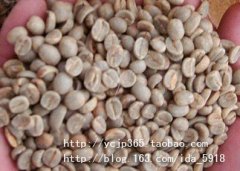
Coffee beans America Costa Rica
Tarrazu of Costa Rica is one of the major coffee producing areas in the world with full grains, ideal acidity and unique strong fragrance. The coffee produced is light and pure in flavor and pleasant in aroma. Costa Rica, with its fertile volcanic soil and good drainage, was the first country in Central America to grow coffee and bananas for commercial value. Coffee and bananas are the country's main exports

The Origin and History of Peruvian Coffee beans
Following caf é comments (Wechat official account vdailycom) found that Peru Caf é opened its own small shop, Peru (Peru) well-known representative coffee: Peru (Peru) Peru is one of the major coffee producers in South America, and coffee is Peru's largest export agricultural product, its export volume has increased significantly in recent years, reaching an all-time high in 2006. More than 90% of Peruvian coffee

When is the harvest time of Jamaica Blue Mountain Coffee?
Following caf é (Wechat official account vdailycom) found that when did the Beautiful Cafe open its own shop, Jamaica Blue Mountain Coffee? the annual harvest time of Jamaica Blue Mountain Coffee is from June to November, usually by hand picking. After picking, it goes through washing, peeling, fermentation, dehydration, drying, shelling, baking and other processes to get a blue mountain.

LV history introduction LV brand design elements LV Cafe a cup of latte 100 yuan!
In early February last year, Louis Vuitton, the flagship brand of French luxury giant LVMH Group, opened the world's first coffee shop "Le Caf V" in Osaka, Japan, which attracted a lot of attention. Today, however, there is a topic on Weibo that has also attracted everyone's attention. LV Cafe in Japan costs 100 yuan for a latte? Netizen: than the local Starbucks

A brief introduction to the planting market price of high-quality Costa Rican Saint Roman coffee beans
High-quality Costa Rican coffee is called extra hard beans, and this kind of coffee can grow at an altitude of more than 1500 meters. Altitude has always been a problem for coffee growers. The higher the altitude, the better the coffee beans, not only because the higher altitude can increase the acidity of the coffee beans and thus increase the flavor, but also because the night temperature at the higher altitude is lower, which can make the trees grow slowly.

The characteristics of Coffee from Costa Rica
Tarrazu in Costa Rica is one of the major coffee producing areas in the world. The coffee produced is light and pure in flavor and pleasant in aroma. Costa Rica, with its fertile volcanic soil and good drainage, is the first country in Central America to grow coffee and bananas for commercial value. Coffee and bananas are the country's main exports. In 1729, coffee was introduced from Cuba to Costa.

Why not stay at the cafe jeju in aA
Half an hour from Jeju City, there is a dark blue building in the seaside village that is jeju in aA Caf é. Its owner, Mr. KIM Myong-han, is recognized by the Korean industry as a famous retro furniture collector. For many years, he has been operating aA design gallery, which displays a lot of retro and modern furniture near Seoul Hongyi University. Mr. Kim chose to come here in order to slow down the pace of life.

Costa Rica Yellow Honey Coffee Bean Flavor Description Grind Scale Variety Taste Treatment Introduction
Coffee was introduced to Costa Rica from Cuba in 1729, and today its coffee industry is one of the most well-organized in the world, producing up to 1700 kilograms per hectare. Costa Rica has 400 million coffee trees among a population of 3.5 million, and coffee accounts for 25 percent of the country's exports
Coffee producing area-Costa Rica
Tarrazu of Costa Rica is one of the major coffee producing areas in the world with full grains, ideal acidity and unique strong fragrance. The coffee produced is light and pure in flavor and pleasant in aroma. Costa Rica, with its fertile volcanic soil and good drainage, is the first country in Central America to grow coffee and bananas for commercial value. Coffee and bananas are the country's main exports

An introduction to the origin and characteristics of coffee in the Galapagos Islands
Following Cafe Review (Wechat official account vdailycom) found that the good Caf é opened a small shop of its own Galapagos in 1875, Ecuador's indigenous ManuelJ.Cobos began to grow Arab bourbon coffee trees in the Hasunda Caf é (HaciendaElCafetal) in San Cristobal. Ecuador is a country located in South America. Coffee beans are divided into gallas.

A brief introduction to the treatment method of grinding degree and baking degree of Galapagos boutique coffee beans with balanced acidity
The country's coffee industry, originally controlled by the Costa Rican Coffee Industry Company (Instituto del Caf deCosta Rica, ICAFE), has been taken over by the official Coffee Committee (Oficinadel Caf). ES Coffee is a clean organic coffee grown on the slopes of the Andes in Latin America. It is 100% pure coffee, through efforts to improve the cultivation

How about Peruvian organic coffee? Brief introduction of Peruvian Coffee
Following Caf é comment (Wechat official account vdailycom) found that good Caf é opened a small shop of its own Peru is an internationally famous quality coffee producing area, regardless of grade, all of its producing areas are organically grown Arabica beans, without organic compound fertilizers and pesticides (the main coffee farmers are too poor to afford it), and generally fertilizers come from rotten or poorly grown coffee cherries. Peru

Characteristics of Costa Rican coffee the culture of Costa Rican coffee
Costa Rican coffee is called extra hard beans, and this kind of coffee can grow at an altitude of more than 1500 meters. Altitude has always been a problem for coffee growers. The higher the altitude, the better the coffee beans, not only because the higher altitude can increase the acidity of the coffee beans and thus increase the flavor, but also because the night temperature at the higher altitude is lower, which makes the trees grow slowly, thus making the coffee.

Costa Rican coffee production Tarazhu production
Full-bodied particles, ideal acidity, unique and intense aroma. Tarrazu, Costa Rica, is one of the world's leading coffee producers, producing coffee with a light, pure flavor and pleasant aroma. Costa Rica's volcanic soils are fertile and well drained, making it the first country in Central America to grow coffee and bananas for commercial value. Coffee and bananas are the country's staple foods.
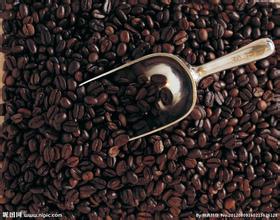
Costa Rican coffee production Tarazhu production
Full-bodied particles, ideal acidity, unique and intense aroma. Tarrazu, Costa Rica, is one of the world's leading coffee producers, producing coffee with a light, pure flavor and pleasant aroma. Costa Rica's volcanic soils are fertile and well drained, making it the first country in Central America to grow coffee and bananas for commercial value. Coffee and bananas are the country's staple foods.

Costa Rican coffee varieties Kadura, Kaduai
Full-bodied particles, ideal acidity, unique and intense aroma. Tarrazu, Costa Rica, is one of the world's leading coffee producers, producing coffee with a light, pure flavor and pleasant aroma. Costa Rica's volcanic soils are fertile and well drained, making it the first country in Central America to grow coffee and bananas for commercial value. Coffee and bananas are the country's staple foods.

Turrialba Manor Duli Alba, Costa Rica
The high-quality Costa Rican coffee at Turrialba Manor Duli Alba, Costa Rica, is called extra hard beans, and this kind of coffee can grow above 1500 meters above sea level. Altitude has always been a problem for coffee growers. The higher the altitude, the better the coffee beans, not only because the higher altitude can increase the acidity of coffee beans and thus increase the flavor, but also because of the higher altitude.
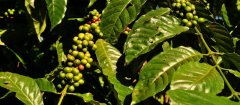
Costa Rican coffee has full granules, ideal acidity and unique strong flavor.
High-quality Costa Rican coffee is called extra hard beans, and this kind of coffee can grow at an altitude of more than 1500 meters. Altitude has always been a problem for coffee growers. The higher the altitude, the better the coffee beans, not only because the higher altitude can increase the acidity of the coffee beans and thus increase the flavor, but also because the night temperature at the higher altitude is lower, the trees can grow slowly.
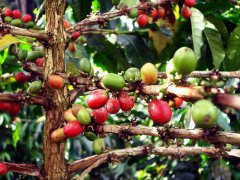
High-quality Costa Rican coffee is called "extra hard beans".
High-quality Costa Rican coffee is called extra hard beans, and this kind of coffee can grow at an altitude of more than 1500 meters. Altitude has always been a problem for coffee growers. The higher the altitude, the better the coffee beans, not only because the higher altitude can increase the acidity of the coffee beans and thus increase the flavor, but also because the night temperature at the higher altitude is lower, which can make the trees grow slowly.
Costa Rica, one of the world's leading coffee producers
Costa Rica coffee, full particles, ideal acidity, unique aroma strong Costa Rica Tarrazu (Tarrazu) is one of the world's major coffee producing areas, the coffee produced by the pure flavor, pleasant aroma. Costa Rica's volcanic soils are fertile and well drained, making it the first country in Central America to grow coffee and bananas for commercial value. Coffee and bananas are